Home buyers tend to have a lot of questions about the real estate closing process in New Jersey, including what it entails and, and how long does it take? Will the seller be present? What kind of paperwork will I be signing? This article addresses those questions, as well as others about the home closing process in New Jersey.
What is “closing” exactly?
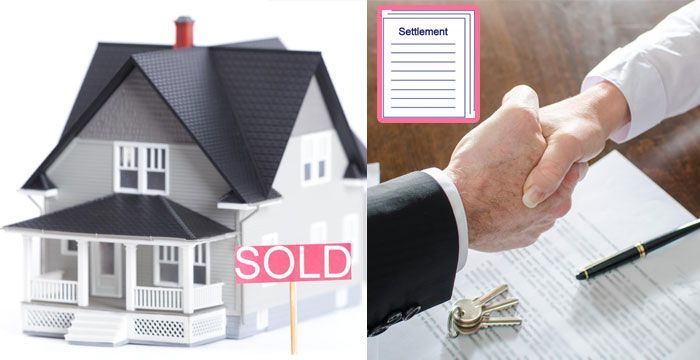
From the buyer’s and seller’s perspective, closing represents the final step in the real estate transaction. There are some other things that can take place after this step, but as far as the home buyer is concerned, the real estate closing finalizes the transaction.
During this process, property ownership is officially transferred from the seller to the buyer. This happens through the transfer of the deed. There are other documents to be signed during this process as well, and we’ll talk about those in a moment.
When does it take place?
The real estate closing process in New Jersey is typically scheduled by the home buyer and seller. It’s part of the negotiating process. When a buyer submits an offer to buy a home, it usually includes a proposed closing date. If the sellers agree to the proposed date (and other terms of the deal), they’ll sign the purchase agreement and the transaction can move forward.
In New Jersey, the closing is often scheduled for 30 to 45 days after the agreement has been signed. But the timeline can vary due to a number of factors.
Do the buyer and seller both attend?
Closing procedures can vary slightly from state-to-state. In some states, the buyer and seller can attend the closing separately to sign their respective documents, so they may never see each other during this process.
In New Jersey, the buyer and seller often close on the same day — and at the same table, but this too can vary. There are advantages to having both parties present. For instance, any last-minute issues that might arise can be resolved more quickly with both the buyer and seller present at the closing.
How much do I need to bring to closing?
Before the scheduled closing date, home buyers should receive a finalized document listing all of the fees that will be due at closing. This is the amount you’ll actually need to bring with you. In New Jersey, buyers typically bring a cashier’s check to the closing to pay their finalized closing costs.
You’ll also receive an estimate of these costs early on in the mortgage loan process, shortly after submitting an application. So you get an estimate up front, along with a finalized list shortly before you close. These documents help to prevent any surprises on closing day.
What documents will I be signing?
Buyers typically have quite a few documents to sign during the home closing process in New Jersey. If you’re using a mortgage loan to finance the purchase, you’ll be signing some finalized loan documents. You might also have to sign the settlement statement, if this hasn’t been done already. There may be documents relating to taxes and adjustments as well.
It can take the buyer anywhere from a few minutes to nearly an hour to sign all of the documents at closing. The important thing is that you review all documents before signing, and that you ask questions of the escrow / title agent or attorney who is presiding over the closing.
Note: This is a basic overview of real estate closing procedures in New Jersey. This process can differ slightly from one buyer to the next, so your experience might be different from what is described above.